
Industrial Communication Solutions for Reliable Operations
In today’s fast-paced industrial environment, maintaining seamless communication is crucial for operational efficiency and safety. Industrial facilities rely heavily on robust communication networks to monitor processes, control machinery, and ensure timely data exchange. The integration of industrial connectivity tools plays a pivotal role in achieving these goals by enabling reliable and secure communication across various devices and systems.

Industrial control panel equipped with connectivity devices for seamless communication
The Role of Industrial Connectivity Tools in Modern Facilities
Industrial connectivity tools are the backbone of any automated or semi-automated industrial setup. These tools include hardware and software components designed to facilitate communication between machines, sensors, control systems, and human operators. They ensure that data flows smoothly and accurately, which is essential for real-time monitoring and decision-making.
Some common industrial connectivity tools include:
Industrial Ethernet switches: Provide high-speed data transfer and network segmentation.
Wireless access points: Enable flexible communication in areas where wiring is impractical.
Gateways and routers: Connect different network protocols and extend communication reach.
Protocol converters: Translate data between incompatible communication standards.
By deploying these tools, industries can reduce downtime, improve safety, and optimize production processes.
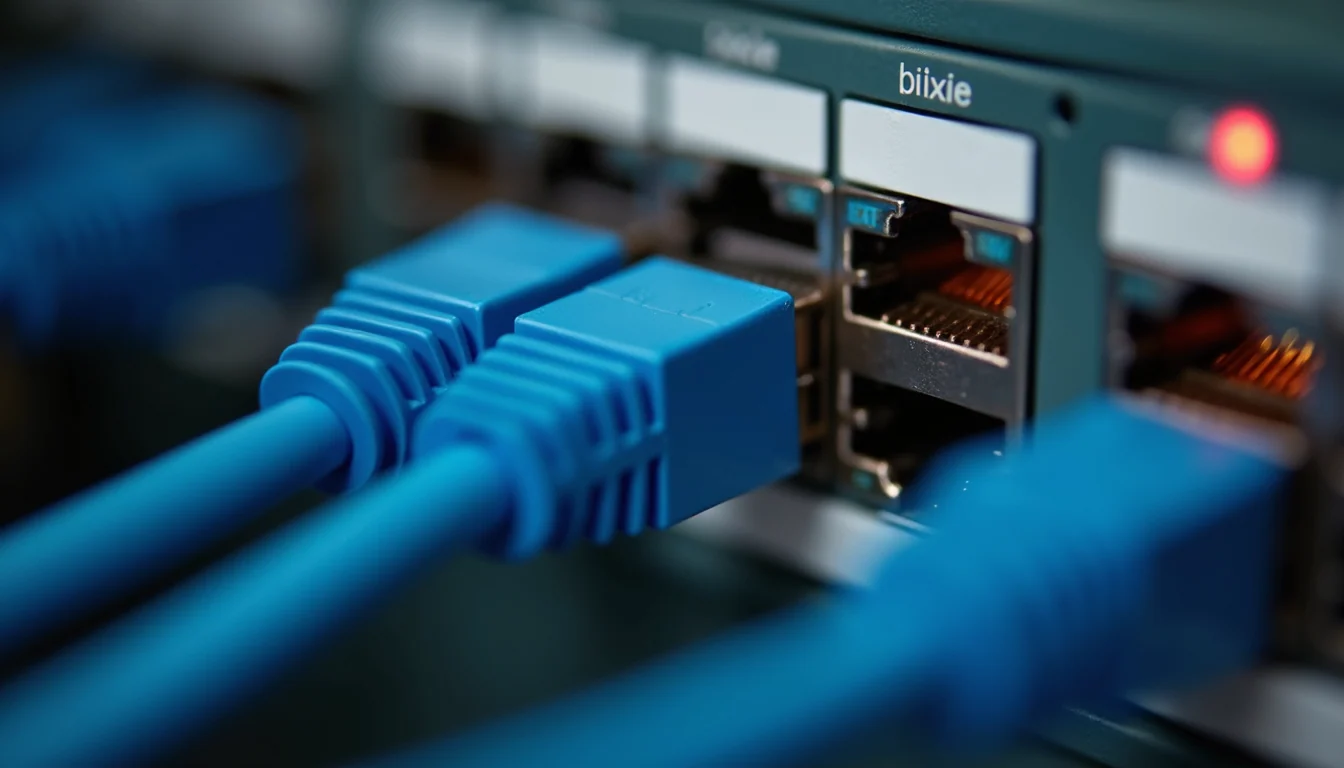
Close-up of an industrial Ethernet switch facilitating network communication
Key Benefits of Using Industrial Connectivity Tools
Implementing the right industrial connectivity tools offers several advantages:
Enhanced Reliability
Industrial environments are often harsh, with extreme temperatures, dust, and vibrations. Connectivity tools designed for such conditions ensure stable communication without frequent failures.
Improved Data Accuracy
Accurate data transmission reduces errors in process control, leading to better product quality and reduced waste.
Scalability
As operations grow, connectivity tools allow easy integration of new devices and systems without overhauling the entire network.
Real-Time Monitoring and Control
Instant access to operational data enables quick responses to anomalies, preventing costly downtime.
Cost Efficiency
Efficient communication reduces maintenance costs and energy consumption by optimizing machine performance.
To maximize these benefits, it is essential to select tools compatible with existing infrastructure and future expansion plans.
What are the 5 Communication Protocols?
Understanding communication protocols is vital for selecting the right industrial connectivity tools. Protocols define the rules for data exchange between devices. Here are five widely used industrial communication protocols:
Modbus
A simple and widely adopted protocol used for connecting industrial electronic devices. It supports serial and Ethernet communication.
PROFINET
An Ethernet-based protocol designed for real-time data exchange in automation systems. It supports high-speed and deterministic communication.
EtherNet/IP
Uses standard Ethernet and TCP/IP protocols to enable industrial automation applications. It is popular for its interoperability and scalability.
CAN bus (Controller Area Network)
A robust protocol used in automotive and industrial applications for real-time control and monitoring.
HART (Highway Addressable Remote Transducer)
Combines analog and digital communication, allowing smart field devices to communicate with control systems.
Each protocol has unique features suited for specific applications. Selecting the appropriate protocol depends on factors like data speed, network size, and device compatibility.

High angle view of an industrial automation control room monitoring operations
Practical Tips for Implementing Industrial Communication Solutions
To ensure reliable operations, consider the following recommendations when deploying industrial communication solutions:
Assess Your Network Needs
Evaluate the number of devices, data volume, and required communication speed to choose suitable connectivity tools.
Prioritize Security
Industrial networks are vulnerable to cyber threats. Implement firewalls, encryption, and secure access controls.
Plan for Redundancy
Use redundant communication paths and backup devices to minimize downtime during failures.
Regular Maintenance and Testing
Schedule routine inspections and tests to detect and fix issues before they escalate.
Train Personnel
Ensure staff are knowledgeable about the communication systems and protocols in use.
By following these steps, industries can build resilient communication networks that support continuous and efficient operations.
Future Trends in Industrial Connectivity Tools
The industrial communication landscape is evolving rapidly with advancements in technology. Some emerging trends include:
5G Integration
The adoption of 5G networks promises ultra-fast and low-latency communication, enabling more responsive control systems.
Edge Computing
Processing data closer to the source reduces latency and bandwidth usage, enhancing real-time decision-making.
IoT Expansion
Increasing use of Internet of Things (IoT) devices provides richer data for predictive maintenance and process optimization.
AI and Machine Learning
These technologies analyze communication data to identify patterns and optimize network performance.
Staying updated with these trends will help industries maintain competitive advantages and improve operational reliability.
For industries looking to enhance their communication infrastructure, exploring industrial communication solutions can provide tailored options that meet specific operational needs. Reliable communication is the foundation of efficient and safe industrial processes, and investing in the right connectivity tools is a step towards future-proofing your operations.